Latest
Is Intermittent Fasting Bad for Women? (What the Research Says)
We've all heard that intermittent fasting is bad for women's hormones. But does the human research actually support that?
By Aadam on October 9, 2026
We've all heard that intermittent fasting is bad for women's hormones. But does the human research actually support that?
How much muscle and fat should you expect to gain when bulking? Here’s why there isn’t a reliable ratio, and what to aim for instead.
It's fairly common for people to expect muscle loss as par for the course when dieting, but how true is this?
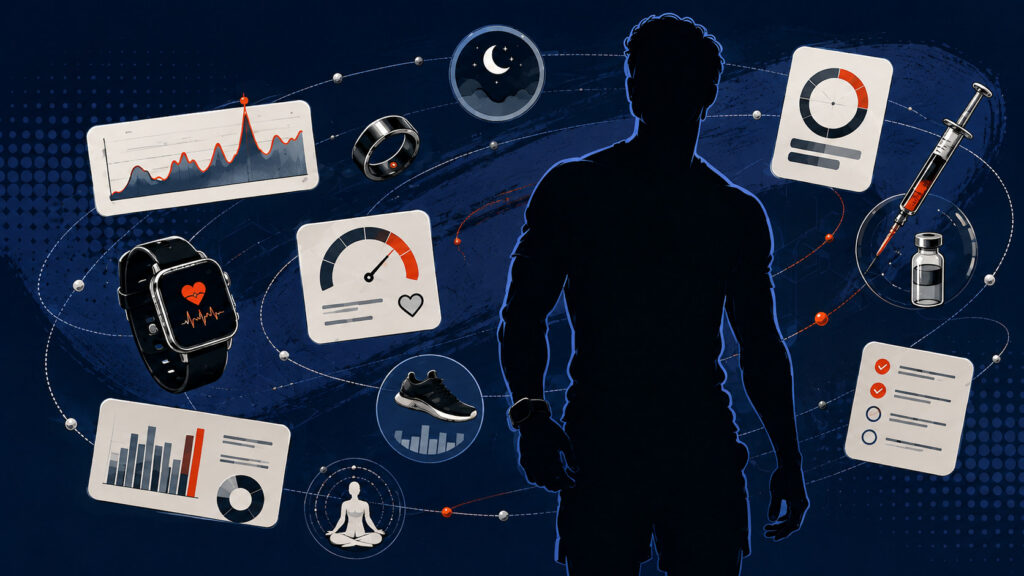
From recovery scores and glucose monitors to peptides and perfect sleep, health optimisation sells the idea of control over the messy realities of being human. Except, the evidence isn't quite there for a lot of these claims.
Electrolyte supplements promise better hydration, performance, energy, and fewer cramps. But are they worth taking? Here’s what the research says.

There's a lot of talk about these new weight loss drugs – but do they actually work and are they safe?

Is it dangerous to eat below your RMR?

Holiday weight gain is a real phenomenon, but it isn't inevitable–this article explores what the research says, and how you can navigate this time of year while maintaining your progress

Do artificial sweeteners help with weight maintenance? A major new trial says yes—while showing no harm to gut or metabolic health.
Research shows it depends on how you create the deficit. Learn the differences between rigid vs. flexible restraint, tracking, and binge-eating risk.
A reader asks if their protein powder contains dangerous ingredients–here's my take.

Weight loss alters hunger hormones like ghrelin and leptin, but that doesn’t mean you’re doomed to regain fat. Here’s how appetite adapts to weight loss.
It's common to hear that “a calorie isn’t a calorie.” Here’s why that’s mostly bullshit.

Answering a reader question on how improving physical fitness would impact their total daily energy expenditure

Incline walking is having a moment. The claim: Walking on an incline is better for fat loss. This article explores why that claim isn't the whole truth.
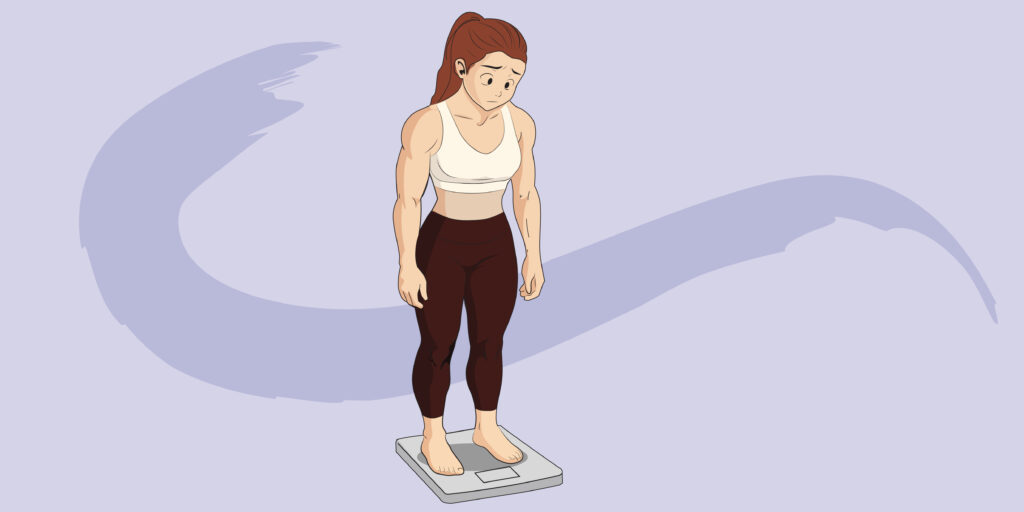
It's common to encounter claims that someone's weight loss stall can be explained by muscle growth. This article explores why that's likely not the case.

A reader asked if losing weight faster would impact their metabolism more than losing weight slowly. Here's my response.

If you want to improve general health and live longer, should you focus on accumulating enough movement throughout the day or does the intensity of that movement matter more?

A new review paper investigated how many steps you should take each day to reduce your risk of all-cause mortality. The answer might surprise you.

Creatine is one of the few supplements proven to work, and most people taking creatine use it to gain muscle––so how much muscle could you gain supplementing creatine?

According to an 'expert' on the internet, you need to delay your morning coffee to avoid an afternoon crash. Is this actually true, though?

Are calorie labels really as inaccurate as some claim? And if they are, does this make tracking your nutrition pointless?

'Longevity' is the new health trend, and animal studies suggest protein restriction could increase lifespan––but does this apply to humans?

Fast weight loss is enticing––but here's why a slower approach might be better